Most ecommerce brands don’t start thinking globally from day one. They focus on getting one market right first: finding product–market fit, building demand, and getting logistics working well enough to support growth. In the early stages, success is often driven by momentum rather than structure. Teams compensate manually. Processes remain flexible. Decisions are fast because there are fewer variables to consider.
For a time, this approach worked.
But as brands mature, a familiar set of pressures begins to surface. Growth in the first market slows. Customer acquisition costs rise. Investors, stakeholders, or founders begin asking where the next phase of growth will come from. Increasingly, the answer is international expansion.
At the same time, there is a shared reality sitting quietly in the background for a huge portion of the ecommerce world: their products are manufactured in China.
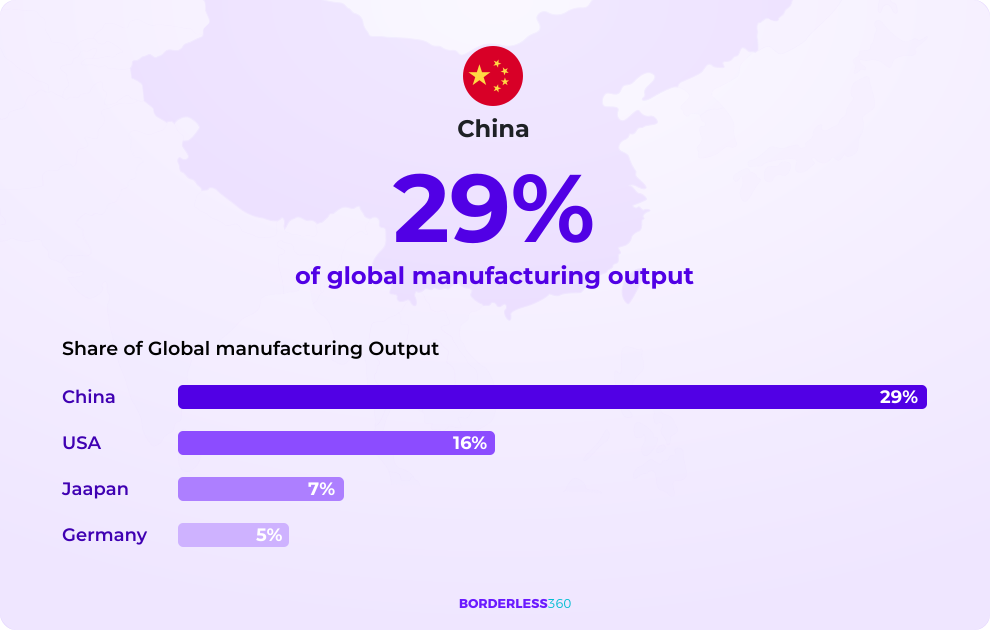
China remains the world’s dominant manufacturing base. According to Statista, China accounted for roughly 29% of global manufacturing output in 2023, producing more than the United States, Japan, and Germany combined. In categories such as apparel, consumer electronics, health and beauty, home goods, and accessories, that reliance is even more pronounced.
For many brands, this creates a disconnect. Manufacturing decisions are already global, but logistics strategy remains local.
This ebook is written for teams in exactly that position. Brands operating confidently in one core market, whether that’s Australia, the UK, the US, or Europe, and beginning to feel the pull toward expansion. Maybe you are actively planning your next region. Maybe you are under pressure to move faster than your current systems allow. Or maybe you simply know that staying in one market forever is not the long-term plan.
What often holds teams back is not demand. It is complexity.
The fear that expanding means more systems, more partners, more headcount, and longer lead times before you even know whether a market will work. The fear that logistics will become harder to manage, not easier. And often, the fear that once you expand, there is no way to undo the decisions you have made.
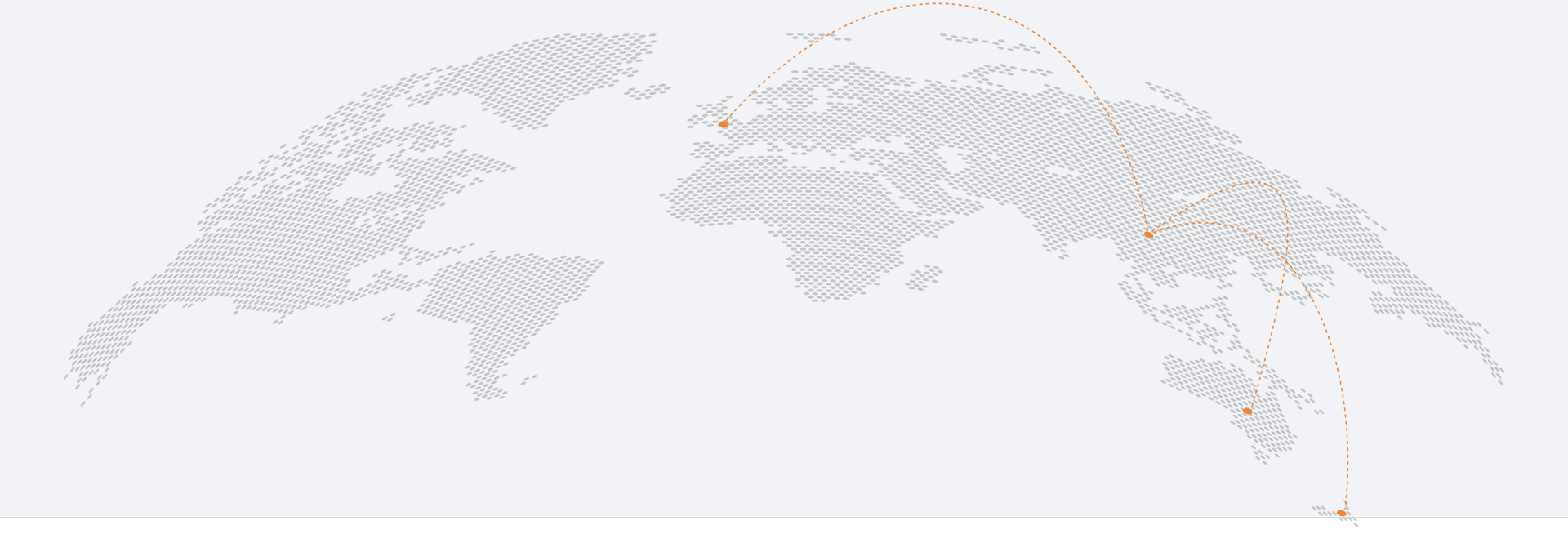
If your products already originate in China, this ebook is not about entering China as a consumer market. It is about something much more practical: using China as a strategic logistics node through innovative solutions like direct injection shipping. A place in your supply chain that allows you to test, launch, and scale into new regions without turning your operations into a patchwork of disconnected providers, systems, and workflows.

Direct Injection is when shipments bypass traditional distribution centers and instead move directly from consolidation points to final delivery networks. Think of it as creating a "fast lane" for your products, one that cuts through the usual maze of warehouses and handling points that typically slow down international shipping.
In this case, parcels are consolidated in China, pre-cleared through customs, and injected directly into domestic courier networks in destination countries. This unlocks a combination of speed, efficiency, and scalability that traditional shipping can’t match.