
Compliance, Customs, and the China Reality Check
For ecommerce brands, most conversations about China logistics focus on what happens after goods leave the country. This means transit times, destination customs and last-mile delivery. But the friction that catches brands off guard usually happens earlier: inside China, before the shipment ever departs.
This is where expertise on the ground matters more than most brands realise.
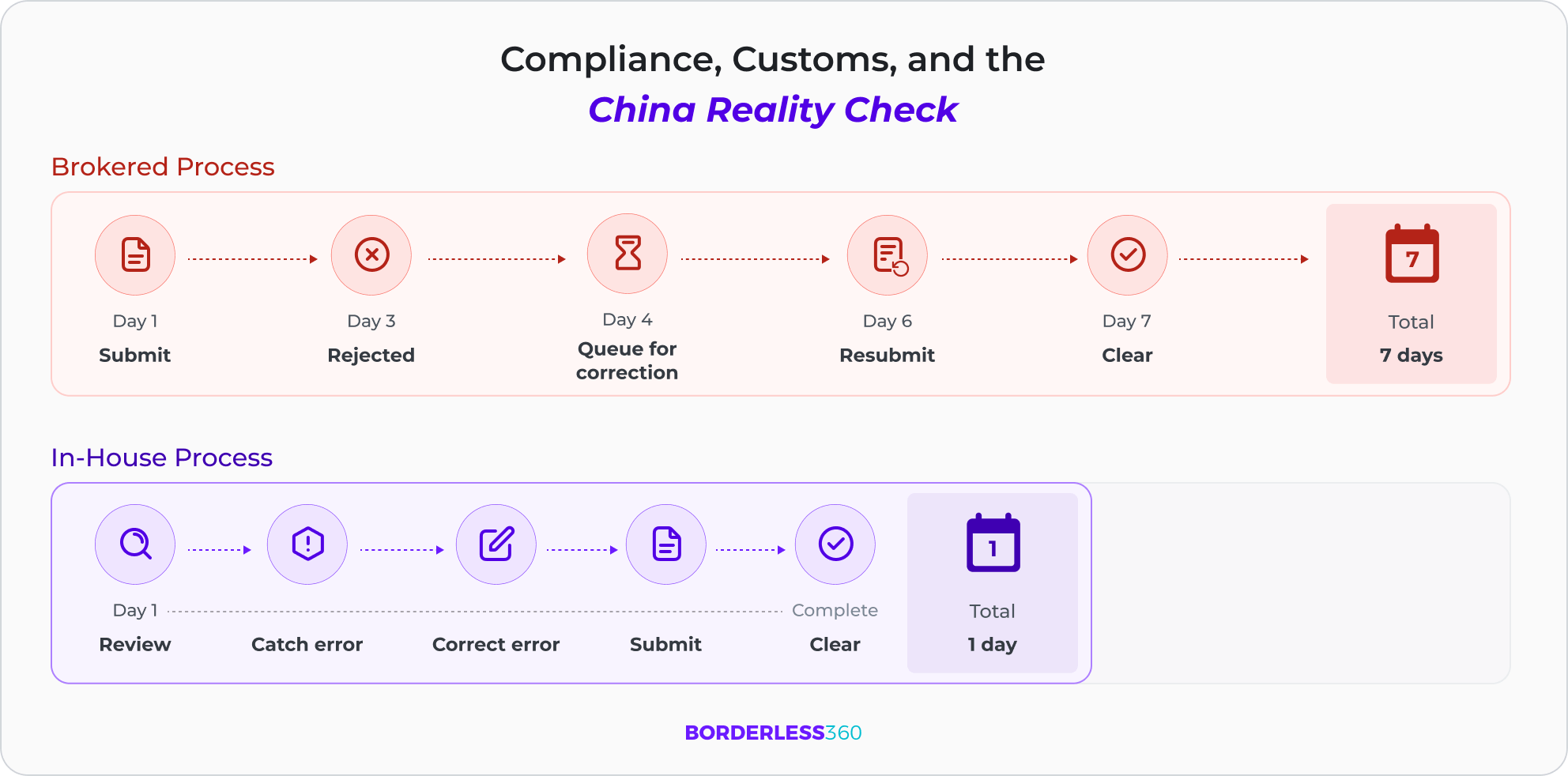
When exports are handled by third-party customs brokers, your shipment joins a queue alongside dozens of other clients. Documentation errors don't get flagged until they cause a delay. Issues that could be resolved in hours stretch into days because no one is prioritising your cargo.
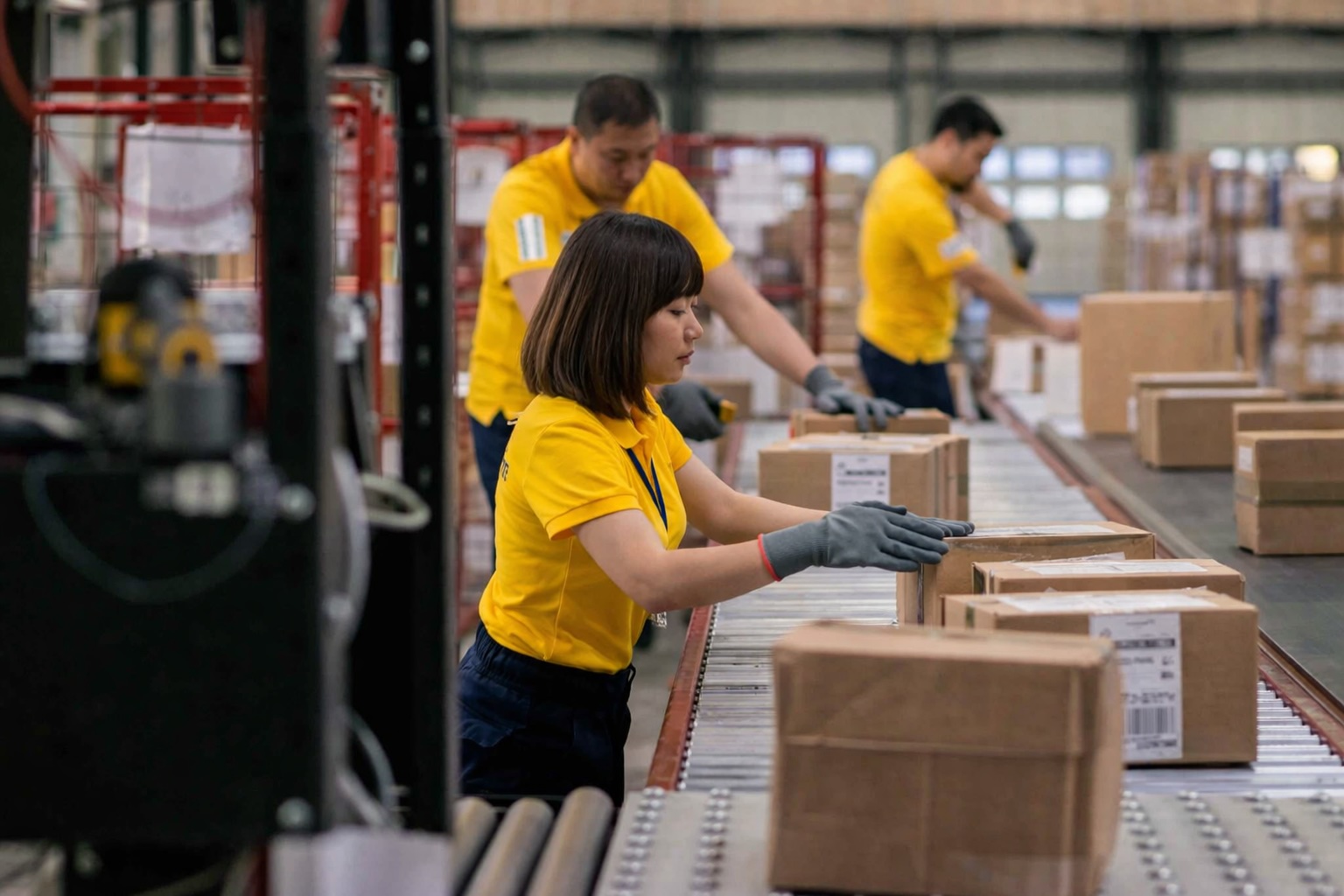
The difference isn't infrastructure, it's people. A dedicated team processing ecommerce exports daily builds expertise that generalist brokers can't match. They know what documentation Chinese customs officers scrutinise. They catch errors before submission. When something goes wrong, they're on-site to fix it the same day.
In-house customs vs brokered customs
The distinction matters operationally. When customs capability is outsourced, brands are dependent on a broker's queue and priorities. Ecommerce shipments that are often smaller, more frequent, and more time-sensitive than traditional freight aren't always a broker's core business. Your urgent shipment sits alongside bulk manufacturing exports, and urgency is relative to whoever pays the most or shouts the loudest.
When customs is handled in-house by a team that specialises in ecommerce, the dynamic changes:


What actually causes goods to get stuck
Brands often assume that goods stuck in Chinese customs means a regulatory problem, particularly, something wrong with the product, the paperwork, or the destination. In practice, the causes are usually more mundane:


These aren't China problems. They're coordination problems that happen to surface in China because that's where exports originate.
Consistency over speed
The goal isn't to promise the fastest customs clearance, it’s to promise predictable clearance. This means shipments moving through the same process, handled by the same team, with the same standards every time.
When the same people manage your exports week after week, they learn your products, your documentation patterns, and your destinations. Exceptions become easier to anticipate. Problems get smaller because they're caught earlier.
Consistency compounds. That's what turns China exports from a source of anxiety into a predictable step in the supply chain.
The question to ask your provider
The simplest way to understand how your China exports will be handled: Who is actually processing the customs documentation, and how often do they handle ecommerce shipments?
If the answer involves a third-party broker, subcontracted relationships, or "it depends on the shipment," that's a signal. It doesn't mean things will go wrong. It means when things do go wrong, resolution will be slower and ownership will be unclear.