Sustainability in all its forms is one of the most pressing topics of our day. How products get to consumers’ doors is a fundamental component of e-commerce, and is a subject at the heart of discussions about sustainability and e-commerce.
Meanwhile, a growing awareness of climate change has seen businesses from all sectors rethink the way they produce, exchange, and how and what they sell to consumers.
Products, packaging materials and shipping practices now play an overarching and facilitating role in contributing to sustainable improvement of supply chains.
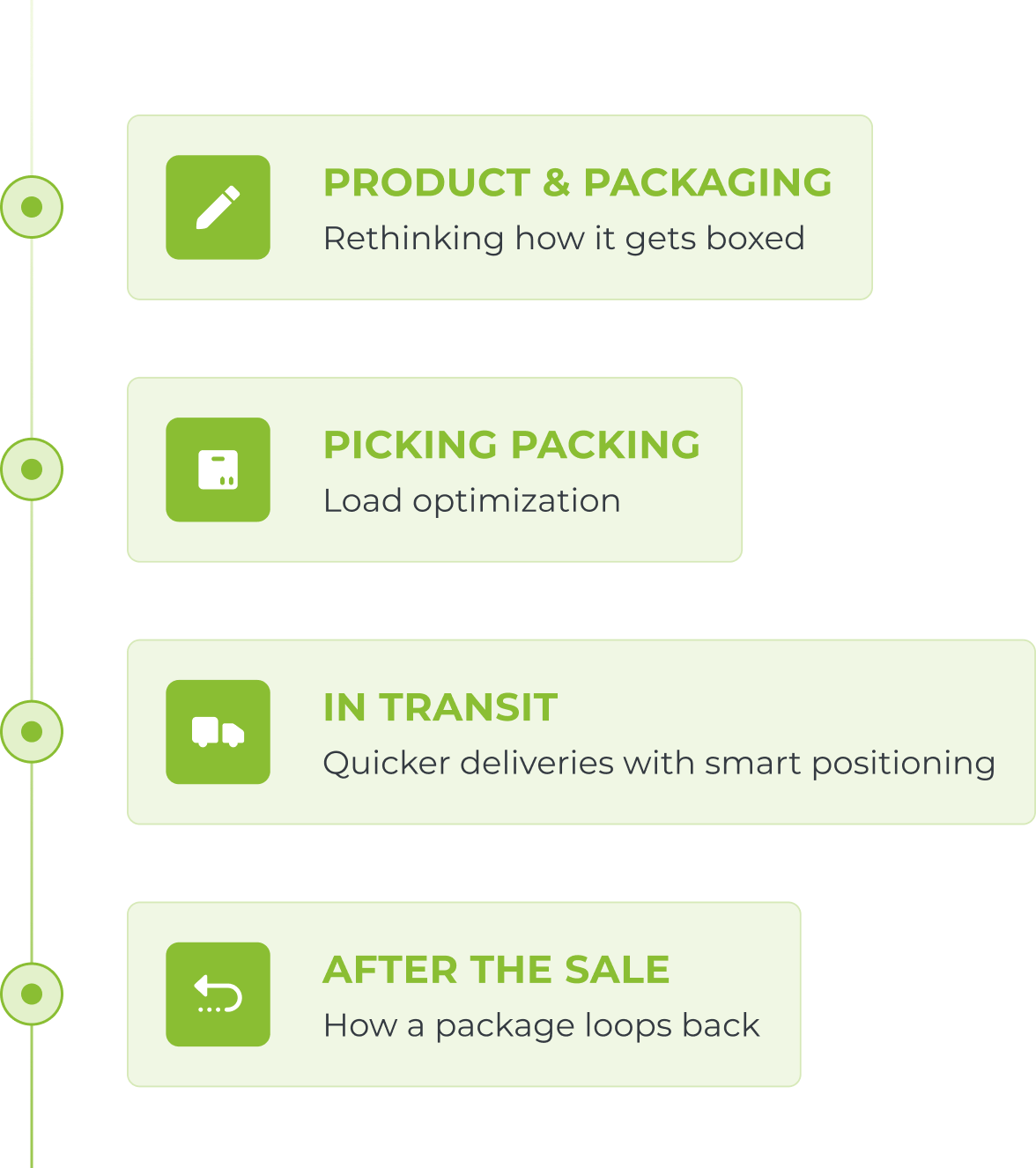
In this eBook, we will follow your package’s journey and delve into the different practices available to you to make your logistics greener.
As consumer awareness of e-commerce’s environmental impact grows, sustainability is taking a leading role in a brand’s strategy. The pandemic has caused an unprecedented increase in online sales, and more consumers than ever are voting with their wallets for brands whose principles align with theirs.
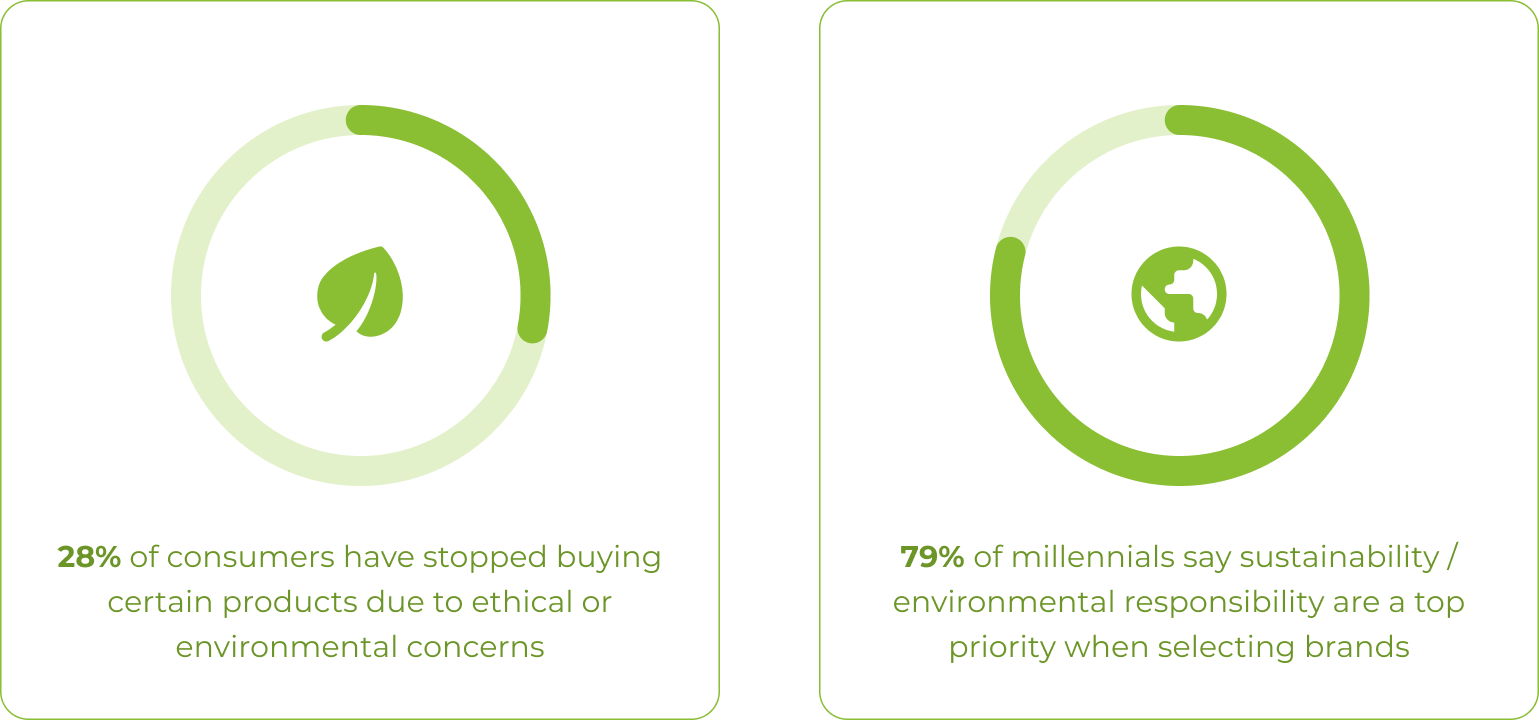
According to IBM’s Meet the 2020 Consumers Driving Change report, nearly 60% of consumers are willing to change their shopping habits to reduce environmental impact. Almost 80% indicated that sustainability is important to them, and for those who say it is “very/extremely important,” over 70% would pay a 35% premium for brands that are sustainable and environmentally responsible.
As an industry that is ultimately driven by meeting and anticipating consumer needs, the e-commerce sector is working to adapt to rapidly changing consumer behaviour and expectations.

Sustainability in e-commerce can refer to anything from business methods to product packaging, and when deciding what to buy and what not to buy, today's customer is increasingly mindful of the environmental impact a business has.
It's time that the logistics industry begins to explore innovative ideas such as sustainable packaging and circular economies.
E-commerce shipping and fulfillment is an essential element for scaling your business. However, not all operations are equal. Behind the scenes there can be big differences in carbon emissions, corresponding to the transportation used and distances travelled. For brands in the business-to-consumer (B2C) space who want to engage meaningfully on climate change, how e-commerce orders are fulfilled matters.
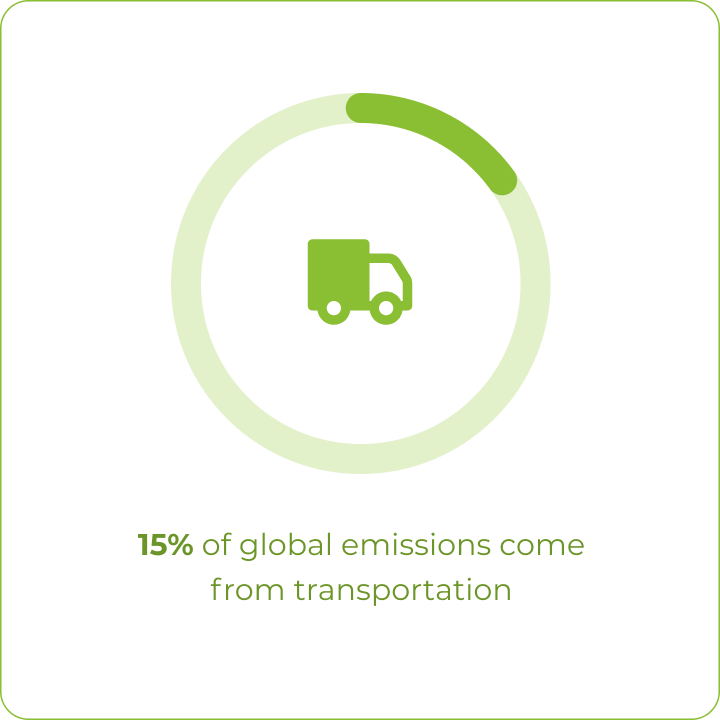
Shipping plays a major role in growing global carbon footprints. And as today's consumer becomes more conscious of their purchases and delivery options, it's important to understand the different ways you can go green in your supply chain.
You can reduce emissions by shipping with more efficient packaging sizes, shipping in bulk and take advantage of local fulfillment networks. Pledging to offset emissions from your logistics supply chain is another way to ensure your shipping practices are sustainable.
The following chapters will break down sustainability strategies you can implement today.
So how can you optimize your package’s journey at every touchpoint in your global supply chain?
For customers, the package journey begins when they tap “buy now” and ends on their doorstep. But, of course, there’s a lot more to it.
We will take a look at your package’s journey and how you can implement sustainable practices in each supply chain component.