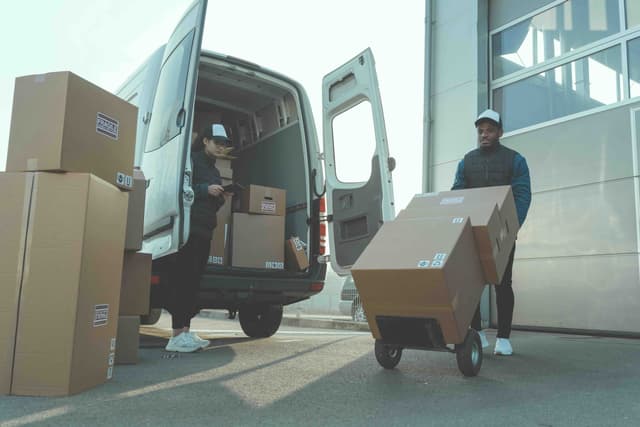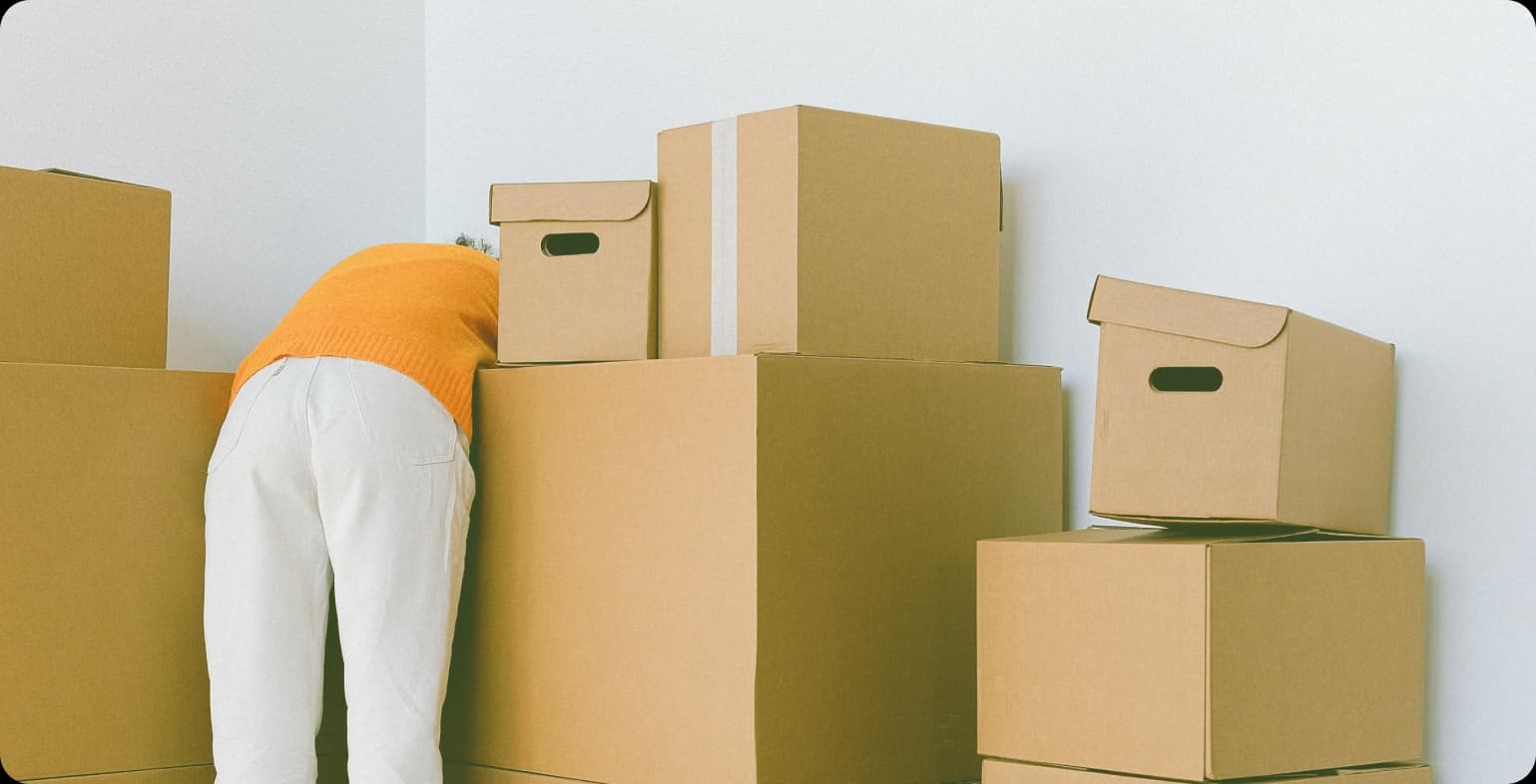
Fitting your product into smaller, reusable packaging will not only minimize waste but will allow optimal transportation and storage.
In an attempt to reduce costs, many products can be under-packaged, sustaining damage that makes for reverse logistics, product waste and other fees. However, just as many products are over-packaged.
One of the biggest components of packaging optimization is product protection. In general, most products depend on two types of packaging: the internal packaging (the first protector of the product, such as the white rectangular slide box your iPhone comes in) and the external packaging (the shipping, storage and transportation packaging).
It is important to consider how changes in packaging would impact your total packaging system cost. Can you fit more on a pallet and improve your overall shipping density? Can you fit more product in storage or on a retail shelf, and help reduce inventory and storage requirements?
Carton Optimization
E-commerce retailers are under pressure to improve efficiency and sustainability, while remaining profitable. Cartonization is not only beneficial, it is imperative to keeping shipping costs under control and maximizing profit. Cartonization is the process of determining which items should be packed together in cartons for shipment and which size carton should be used.
Shipping with more efficient packaging sizes and optimizing your cartons will also reduce your impact on the environment.
Producing 1 tonne of corrugated cardboard uses approximately 4 tonnes of wood, 66,000 litres of water and produces approximately 7.7 tonnes of CO2.
This is the equivalent of sending a 3 kilogram package by plane from Sydney to Melbourne 7,700 times.
Even a small reduction of carton size or number of cartons used can have dramatic implications on a company’s environmental footprint. Consider:



A volume calculation is the most basic cartonization calculation. It calculates the space of an order using the volume for each item. One pitfall is it considers all volume to be fluid and so needs a maximum fill rate under 100%. Without it, the risk of overfilling cartons is high. It also doesn’t take into account irregular shapes, such as a broomstick. So we need to consider both volume and dimension.

Dimensional fill calculations consider the length, width and height of all objects. It finds a minimum carton size that will hold all items. It removes the need for a large maximum fill percentage, and also considers weight. However, it fails to consider all options, which brings us to orientation.

When considering orientation, we are able to consider all possible combinations of products in a carton. It looks at volume, dimension and rotation of the packages to avoid empty spaces. This method allows retailers to calculate fill rates close to 100%.
Pallet Optimization
Pallets are very efficient when it comes to transporting multiple items of small dimensions from one point to another. Pallets are considered sustainable because they can be reused and recycled.
In many cases pallets are part of a circular business model called pooling, which moves pallets through the supply chain again and again and again. Furthermore, these pallets reduce costs because they increase shipping efficiencies and minimize waste.
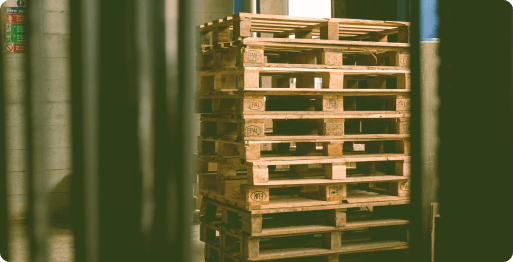
Think of your pallet as a block. It needs to be compact, solid and perfectly square to reach its optimum strength.
There are a multitude of pallet calculators at your disposal to quickly compute optimized pallet loads depending on the type of pallet you need to use. Websites include Packair, Onpallet, iCalculator, and Palletline.
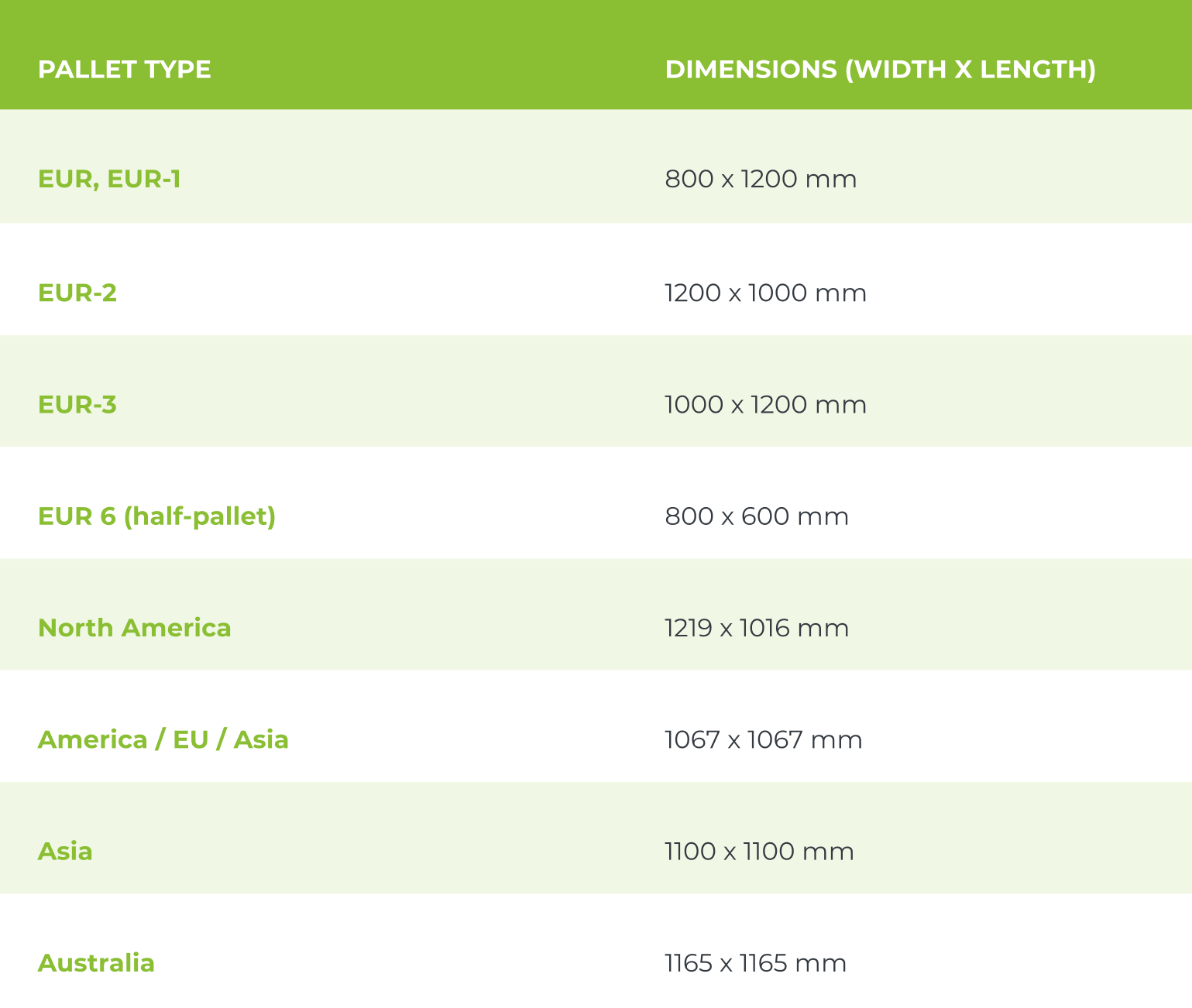
Standard pallet sizes and their dimensions
Pallets come in a variety of sizes, which can often be confusing when attempting to optimize your logistics. So, we have outined the most common pallet types and their dimensions for you.