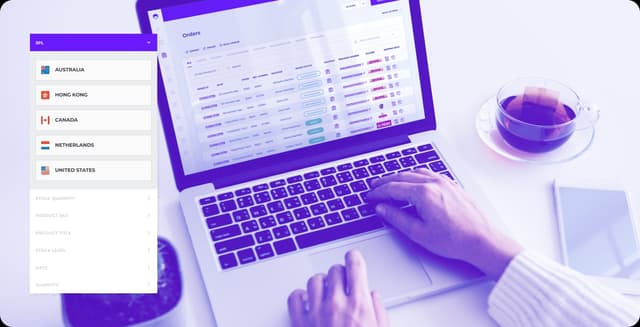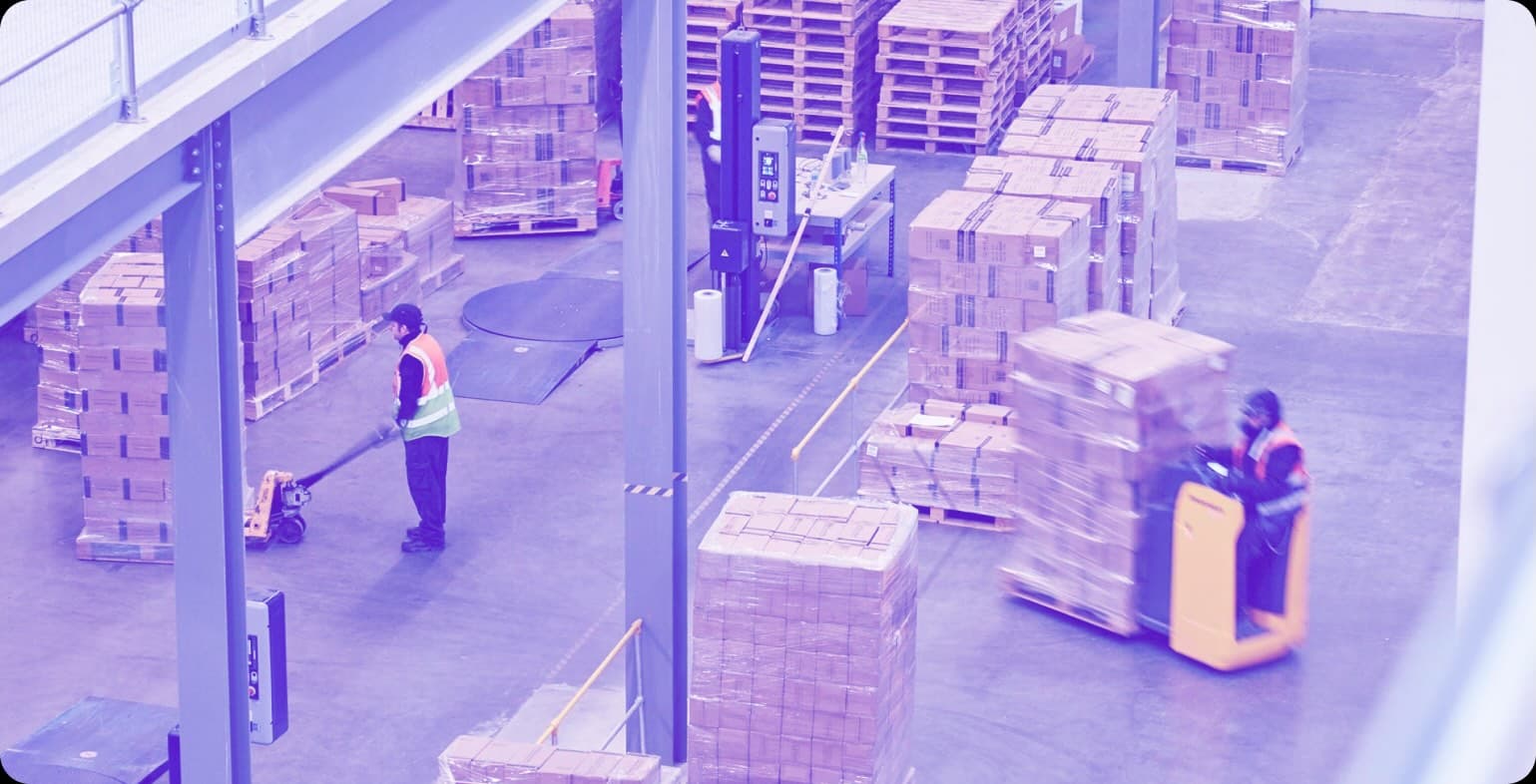
The fulfillment of orders involves multiple moving parts performing various activities throughout the supply chain. When you fulfil an order that must flow through multiple supply chain partners, it's is easy to lose visibility and the manual process of managing hundreds of orders can become extremely costly.
‘Order orchestration,’ as it is popularly known, is a process of optimising logistics performance. It encompasses sales, fulfillment and shipping processes and when done right, assures e-tailers the most cost-effective shipping rates along with the fastest delivery times to delighted customers who keep coming back for more.
“I own a London-based footwear brand. I recently decided to launch a new sneaker line. Sarah, a new customer based in Brisbane, Australia, has placed an order for a pair of shoes and has chosen Express Delivery. My 3PL provider has warehouses in Sydney (950km from Brisbane) and Melbourne (1,770km away). Using order orchestration, the 3PL system is able to automatically detect that the shoes should be sent from the Sydney warehouse, rather than Melbourne, as its closer. Sarah is able to get her shoes sooner, and for less as lower shipping costs means the savings can be passed on.”
Logistics providers often have facilities closer to customers, whether in a different area or a different country. They typically offer lower shipping costs by aggregating volumes from their customer base to negotiate competitive rates from carriers.
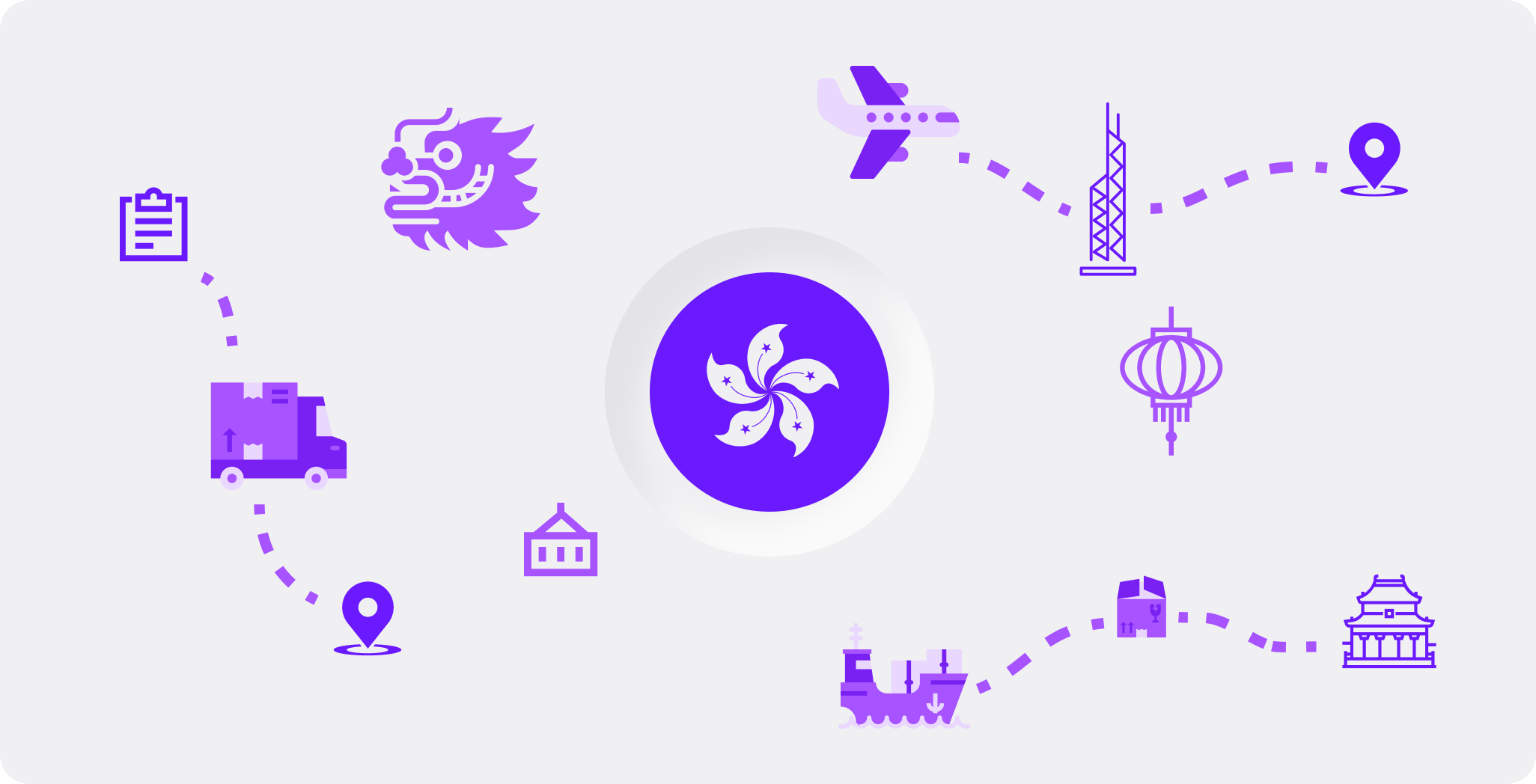
Manufacturing flows can also be orchestrated. Many online retailers take advantage of Hong Kong’s (HK) tax-free port and strategically advantageous location beside China with its rich manufacturing heritage. They store goods in HK and as orders arrive from marketplaces and web stores, they are ‘orchestrated’ using whatever shipping options are most desirable.