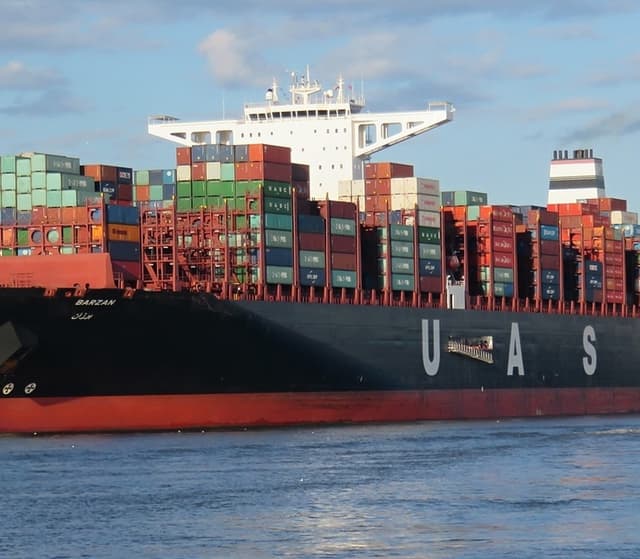
Australia boasts a vibrant and robust business environment, but for ecommerce retailers looking to make their mark Down Under, understanding and navigating the legal landscape is imperative. In this section, we'll explore key considerations ranging from business regulations to taxation and intellectual property concerns.
Overview of Australian Business Regulations for Ecommerce Retailers
Australia has a well-defined set of regulations that govern business operations, particularly in the realm of ecommerce. These can be found on the Australian Government Treasury official website. Ecommerce retailers should be well-versed in a variety of regulations to ensure legal compliance and the smooth operation of their business. We have outlined the main components to be aware of below.

This guide aims to provide a foundational understanding of the intricacies involved in ecommerce operations within Australia. It is crucial for ecommerce retailers to conduct their own diligent research. The unique nature of each business may necessitate a tailored approach to understanding how specific regulations and requirements will impact their operations.
1. Consumer Law and Fair Trading

Australia has robust consumer protection laws designed to ensure fair trading practices and safeguard consumer rights. Ecommerce retailers must comply with the Australian Consumer Law (ACL), which covers areas such as product warranties, consumer guarantees, and fair contract terms.

- Review and update terms and conditions to align with consumer law requirements.
- Clearly communicate consumer guarantees and warranty information for products.

Privacy and Data Protection
Australia has strict privacy laws that regulate the collection, use, and disclosure of personal information. The Privacy Act 1988 (Cth) governs how businesses handle personal data.
- Develop and implement a privacy policy outlining how customer data is handled.
- Ensure secure online transactions and data storage practices.

Customs and Import Regulations
Ecommerce retailers engaging in cross-border trade need to navigate customs and import regulations. You can read the full import regulations on Australia’s Border Force website. Understanding duties, taxes, and import restrictions is crucial for smooth international transactions.
- Customs Declarations: Accurately complete customs declarations for imported goods.
- Tariffs and Duties: Comply with tariff classifications and duties on imported products.
Work with customs brokers to ensure accurate and compliant import processes.
Stay informed about changes in customs and import regulations.

Taxation and Import Regulations
Navigating the Australian tax system is essential for a seamless ecommerce operation. There are regulations that all ecommerce businesses must adhere to and there are also specific regulations that certain ecommerce businesses must adhere to depending on the types of products they sell.
a) Goods and Services Tax (GST)
One key aspect of Australian taxation is the Goods and Services Tax (GST). This is a 10% levy that is applied to goods and services sold in Australia. Any product entering the country is subject to this 10% GST. Ecommerce retailers need to be well-versed in the GST requirements and ensure compliance with the Australian Taxation Office (ATO) guidelines.
b) Safety Standards
Certain products must adhere to Australian Safety Standards. These standards ask retailers to clearly show safety or information features on their products. Displaying this information is compulsory for legal supply of particular products into the Australian market. You can read further which products are subject to these requirements on the Australian Safety Standards website.
c) Therapeutic Goods Administration (TGA) Regulations
The TGA, part of the Australian Government Department of Health, regulates therapeutic goods, including medicines, medical devices, and certain cosmetic products. Ecommerce retailers dealing with health and wellness products fall under the purview of TGA regulations. You’ll need to ensure your harmonized tariff codes are verified and checked upfront before being shipped into Australia. You can read further on the Therapeutic Goods Administration website here.
d) Labeling Requirements
Certain goods, though not all, must be correctly labeled with a trade description before they can be imported into Australia. It’s important to know whether your products need to be labeled as the Australian Border Force may seize goods that require labeling, particularly where the goods have a false or misleading trade description. You can read more about labeling requirements on Australia’s Border Force Labeling website.
e) Quarantine Regulations
Import quarantine regulations are implemented to safeguard Australia’s unique environment, agriculture, and public health by preventing the introduction of harmful pests, diseases, and contaminants. The Department of Agriculture, Water and the Environment (DAWE) is the primary authority responsible for overseeing and enforcing these regulations. Understanding and adhering to these import quarantine regulations are essential for ecommerce retailers to ensure the lawful and smooth entry of goods into Australia.


Importers are required to check the BICON database. BICON provides details on permissible commodities, treatments, and documentation needed to meet biosecurity standards.

DAWE then conducts risk assessments on imported goods to determine potential biosecurity risks.

Some goods may require specific treatment, such as fumigation or heat treatment, to eliminate any potential biosecurity risks.

Certain goods may require import permits to ensure compliance with biosecurity measures. When checking the BICON database, you’ll find out whether your particular import scenario requires an import permit.
Imported goods may undergo inspections and sampling at the border to verify compliance with biosecurity regulations.
Accurate and complete documentation is crucial for smooth customs clearance.

Importers may be subject to fees and charges associated with quarantine inspections, treatments, and other biosecurity services. These fees contribute to the cost of maintaining Australia's biosecurity system.
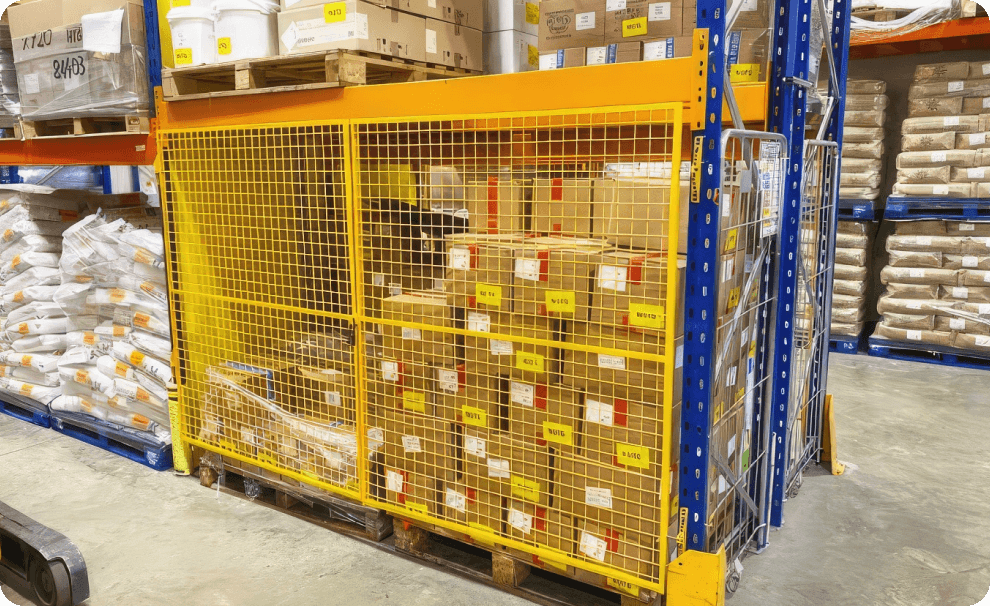
Selling goods into Australia can pose many challenges, particularly for those unfamiliar with the country's regulations and customs procedures. It's advisable to work closely with customs brokers, freight forwarders, and biosecurity experts to navigate these regulations effectively. It is also important to do your own research and stay up-to-date on the latest regulatory requirements and changes.
Intellectual Property and Trademark Considerations
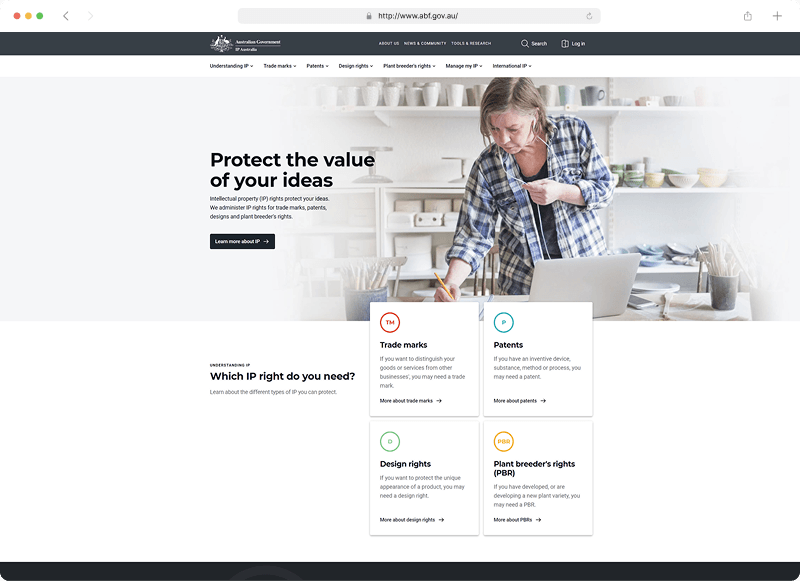
Protecting your brand and intellectual property is paramount in the competitive ecommerce landscape. Familiarizing yourself with Australia's intellectual property laws and trademark registration processes is essential. Ensuring that your brand, logo, and products are legally protected not only safeguards your business but also establishes trust with Australian consumers. You can read more on the IP Australia website here.
Regulation and Compliance Checklist for Entering the Australian Market
General Legal and Regulatory Checklist:

- Review and update terms and conditions to align with the Australian Consumer Law.
- Clearly communicate consumer guarantees and warranty information for products.

- Develop and implement a privacy policy outlining how customer data is handled in accordance with Australian Privacy Law.
- Ensure secure online transactions and data storage practices.

- Accurately complete customs declarations for imported goods.
- Comply with tariff classifications and duties on imported products.
- Work with customs brokers who are familiar with working with foreign entities to ensure accurate and compliant import processes.
- Determine whether your products need to be compliant with Australian:
- Ensure proper GST registration and compliance with the Australian Taxation Office (ATO).
- Ensure compliance with any other specialist taxation requirements.

- Understand Australian intellectual property laws.
- Consider trademark registration for your brand, logo, and products.
- Regularly monitor and enforce your trademarks to protect against infringement.
In-Country Fulfillment Checklist:


Direct Injection Checklist:
Understanding and adhering to these legal and regulatory considerations will not only keep your ecommerce venture in compliance with Australian laws but also contribute to building a trustworthy and reliable brand presence. It’s important to note that you can work with specialist customs brokers who are familiar with working with foreign entities to ensure accurate and compliant import processes. In the next section, we'll delve into the unique characteristics of the Australian logistics and shipping landscape.