Logistics and Shipping
The expansive geography of Australia presents both challenges and opportunities for ecommerce retailers seeking to penetrate this diverse market. Navigating the logistics and shipping landscape requires a strategic understanding of the country's unique features, transit times between states, and the key players in the freight industry.
Australia’s Geography
Australia's vast and varied landscape spans deserts, mountains, and coastlines, making logistics a critical aspect of successful ecommerce operations. Australia is 7,682,300 km2 and accounts for 5% of the world’s land area, similar in size to the USA. Understanding the geographical layout is paramount in devising an efficient shipping strategy.
Australia's size in relation to other land masses

Due to its size and vast remote areas, transit times are often longer than what retailers are used to in other regions such as Europe, Asia and the USA. Recognizing the distances involved and tailoring shipping strategies accordingly ensures timely deliveries and enhances customer satisfaction.
Exploring Australia's vastness: A comparative look shows that the distance from Perth to Sydney is 3,936 km, farther than the 2,895 km from Paris to Moscow.

3PL’s and Warehouses
The Eastern seaboard, encompassing major cities like Sydney, Melbourne, and Brisbane, houses the majority of Australia's population. Choosing a warehouse provider or Third Party Logistics (3PL) provider located on the Eastern seaboard presents significant advantages. This region, with its dense population, allows for quicker deliveries and reduced transit times, enhancing the overall customer experience.

Ecommerce retailers can further optimize their operations by considering providers in different states. Diversifying warehouse locations offers opportunities for order orchestration with multiple points, allowing retailers to efficiently manage inventory and fulfill orders from various regions. This approach not only enhances shipping flexibility but also caters to the diverse needs of customers across the vast Australian landscape.
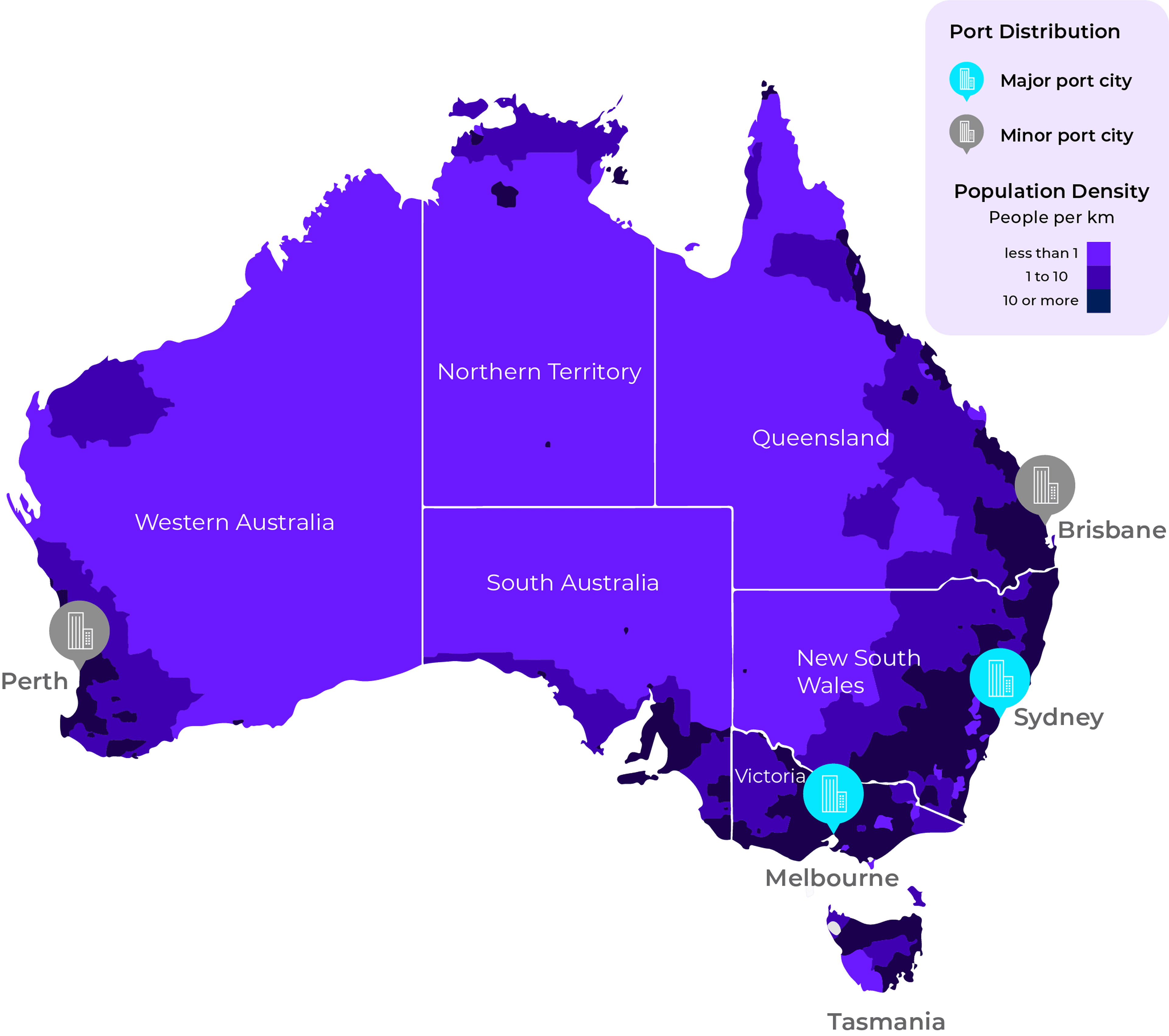
When evaluating 3PL and warehouse providers, ecommerce retailers should prioritize those with a strategic presence in customer base hotspots and consider establishing partnerships in different states. This multi-location strategy not only ensures streamlined operations but also positions retailers to leverage the vast opportunities presented by Australia's unique market dynamics.
Most Popular Carriers

pros
Widely accessible: Australia Post has the largest network of post offices and parcel lockers in Australia, making it easy to find a convenient location to send or collect your parcels.
Reliable: Australia Post has a long history of delivering mail and parcels, and they generally have a good reputation for reliability.
Affordable: Australia Post offers a range of affordable shipping options, including flat-rate boxes and satchels.
Tracking: You can track your parcels online or through the Australia Post app.
Post office services: In addition to shipping, Australia Post offers a range of other services, such as banking, bill payments, and passport applications.
cons
Not always the fastest: Australia Post can sometimes be slower than other couriers, particularly for express deliveries.
Limited delivery times: Australia Post delivery times are generally Monday to Friday, 9am to 5pm.
Customer service: Australia Post customer service has been criticized in the past for being slow and unhelpful.
Price increases: Australia Post has been increasing its prices in recent years.

pros
Competitive rates: Couriers Please are best known for cost-effective shipping.
Transit times: Couriers Please offers good transit times for certain regions.
Wide range of services: Couriers Please offers a wide range of shipping services, including domestic deliveries, express deliveries, and freight services.
cons
Wide network: Couriers Please’s network doesn't match the extensive reach of Australia Post, particularly in remote areas where delivery can be significantly more expensive.
Customer service: Couriers Please customer service has also been criticized in the past for being slow and unhelpful.
pros
B2B Specialization: Border Express excels in Business-to-Business (B2B) shipments, offering tailored services to meet the specific needs of businesses, including seamless integration into supply chains.
Bulk Shipments: Border Express is known for efficiently handling bulk shipments, providing cost-effective solutions for businesses requiring large-scale transportation of goods.
Reliability: Border Express is recognized for its reliability in the B2B sector, establishing trust with businesses relying on consistent and secure deliveries.
cons
Limited Consumer Accessibility: While excelling in B2B and bulk shipments, Border Express may have fewer accessible locations for individual consumers compared to some other courier services.
Varied Customer Experiences: Like any courier service, experiences can vary, and some customers may report mixed opinions on reliability and customer service.

pros
Fast: Aramex is known for its reliable delivery times.
Wide range of services: Aramex offers a wide range of shipping services, including domestic and international deliveries, express deliveries, and freight services.
Competitive rates: Aramex offers competitive rates for its services.
Modern technology: Aramex uses modern technology to track your parcels and provide you with real-time updates.
cons
Not as widely accessible: Aramex does not have as many locations as Australia Post, so it may be more difficult to find a convenient location to send or collect your parcels.
Not as reliable: Aramex has a mixed reputation for reliability, with some customers reporting positive experiences and others reporting negative experiences.
Customer service: Aramex customer service is not the most responsive.
pros
Diverse Services: Toll Group offers a diverse range of services, including domestic and international deliveries, express services, and freight solutions, catering to the multifaceted needs of businesses.
Global Reach: With a global presence, Toll Group provides businesses with access to international markets, enhancing their reach and capabilities.
B2B Specialization: Toll Group specializes in Business-to-Business (B2B) logistics solutions, offering a range of services tailored to the unique requirements of corporate clients, however they do also handle B2C shipments.
Bulk Shipments: Known for handling bulk shipments efficiently, Toll Group provides comprehensive solutions for businesses dealing with large volumes of goods.
cons
Limited Consumer Accessibility: Similar to Border Express, Toll Group's primary focus on B2B services may result in fewer accessible locations for individual consumers.
Mixed Reputation: While Toll Group has a strong presence and is a major player in the logistics industry, customer experiences can vary, with some reporting positive interactions while others may have concerns.
Selecting the right carrier or a combination of carriers depends on the specific needs of your business and the locations you intend to serve.

Managing Shipping and Delivery for Customer Satisfaction
Ensuring a seamless shipping and delivery experience is integral to customer satisfaction. Implementing real-time tracking, providing accurate delivery estimates, and offering flexible delivery options contribute to a positive customer journey.
81% of Australians are unlikely to buy from a retailer again after a poor delivery experience. Business Wire, 2023
90% of Australian online shoppers have abandoned a cart as a result of high shipping costs. HUBBED, 2022
In conclusion, mastering the logistics and shipping landscape in Australia involves a nuanced approach that considers the vast geography, regional opportunities, and the preferences of the diverse consumer base. By strategically placing warehouses, partnering with reliable carriers, and implementing customer-centric shipping practices, ecommerce retailers can navigate the complexities of the Australian logistics landscape and build a strong foundation for success.
Freight forwarding in Australia
Freight forwarders function as adept logistics professionals, utilizing their extensive industry expertise, networks, and resources to maneuver through the intricacies of global supply chains. Within the realm of international trade, these professionals assume a crucial role in coordinating the transportation of goods through air, sea, road, or rail, tailored to the specific needs and preferences of their clients. Serving as intermediaries, they engage with carriers, customs authorities, and various stakeholders to facilitate a smooth and efficient flow of cargo.
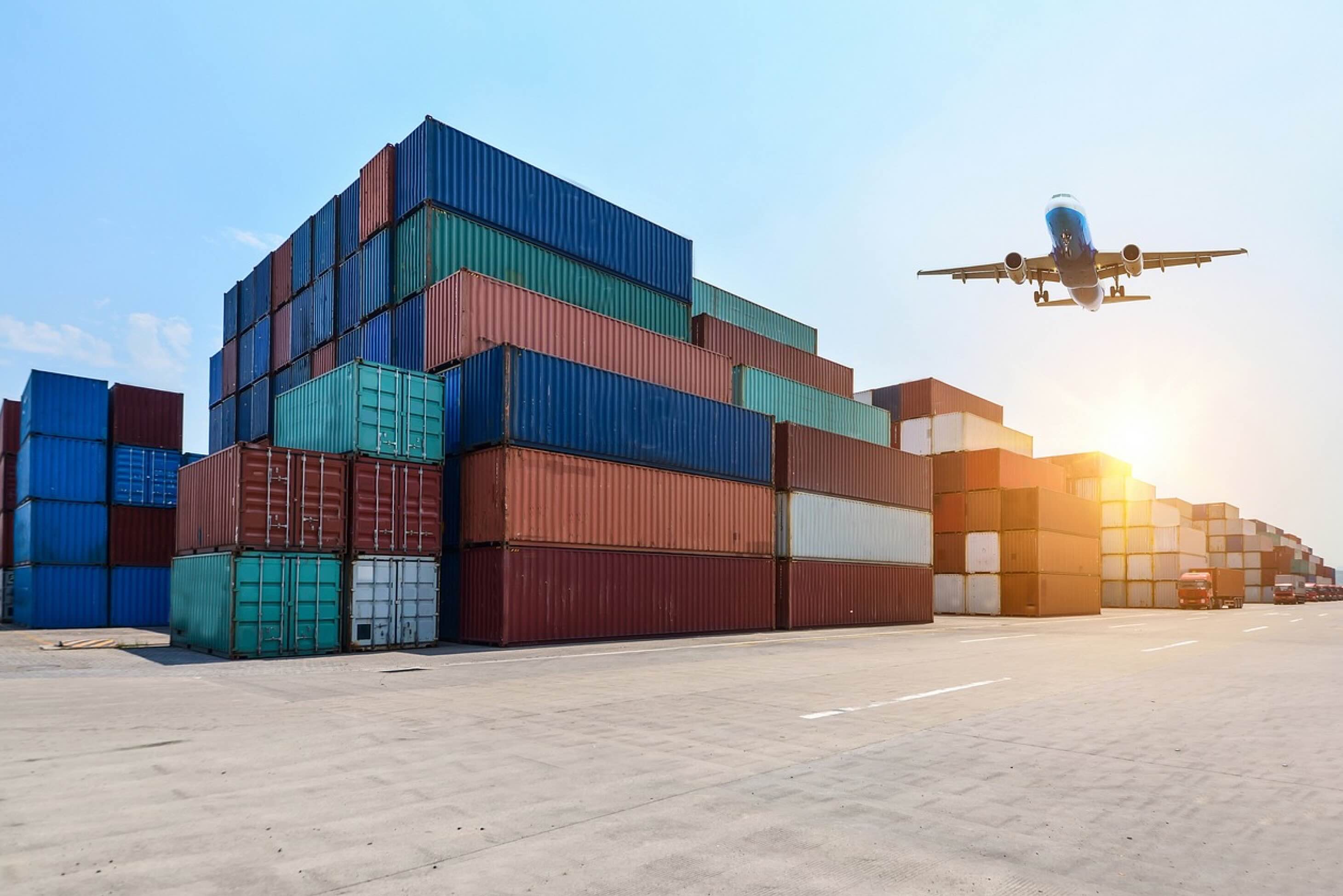
Comprehending and abiding by regulations within the Australian freight industry is essential for freight forwarders to facilitate international trade smoothly and in compliance. Collaborating with seasoned and informed freight forwarders allows businesses to navigate these intricacies effortlessly, guaranteeing the swift and secure passage of their shipments across Australian borders.
Customer Service and Support
Tailoring your customer service strategy to resonate with Australian shoppers involves a nuanced understanding of cultural norms and effective communication styles. Australian customers appreciate a friendly and approachable tone, and responsiveness is key.
69% of Australians Believe a Company is Only as Good as its Customer Service, Genesys Report.
A comprehensive customer support strategy should include:

Offering email, live chat, and phone support services means you’re able to build trust and credibility with your new customer base.

These may have to differ from your policies in your current region due to Australia’s geography or your due to your new couriers’ requirements.

By using customer names and acknowledging previous purchases, you’re able to start building relationships with your new customers.

This contributes to a hassle-free experience for customers, and keeps them informed about the status of their order in real time.
In a recent Genesys report, an empathetic experience with customer support was valued the most to Australian consumers. 58% agreed they would choose an empathetic experience over a speedy resolution.
The vast majority of Australians want customer experience employees to listen to them (84%), understand their needs (82%) and provide consistent answers (81%), according to the same Genesys report.

Managing time zone differences effectively is a logistical challenge that can significantly impact customer service. Offering 24/7 customer support can accommodate different time zones and provide assistance during non-business hours. Additionally, consider establishing localized support teams in key Australian time zones. This ensures that customer service representatives are not only available when needed but are also well-versed in local market trends and preferences. Transparent communication about business hours and response times helps set customer expectations, fostering a sense of reliability and trust.
