If you already ship internationally or are thinking about scaling to enter international markets, then it’s time to consider a freight forwarder’s services. Questions to ask yourself include:
Are you having issues with shipping?
Strong organisational skills should be a prerequisite for whoever is dealing with the shipping for your business. If you’re regularly having issues with shipping – delayed or lost shipments, or problems with documentation or clearing customs, then this is a sure sign that things aren’t running as smoothly as they should.
Even the best freight forwarder can have the occasional issue with a shipment – but the crucial thing to consider is how they handle it. Do they have the experience and the network to correct the issues before they become a big problem?


Recurring shipping issues:
- Delayed shipments
- Lost or damaged shipments
- Documentation mishaps
- Technical difficulties
- Custom clearance snags
Is your customer service slipping?
Are shipping issues creating unmet expectations for your customers? And are those unmet expectations leading to complaints, bad reviews and loss of reputation? This may be a sign that your company may benefit from using an experienced freight forwarder to ensure that your estimated shipping times are realistic and adhered to as strictly as possible.

Are you concerned about your carbon footprint?
Shipping by sea or via the shortest route will have a much smaller carbon footprint than shipping by air, for example. You can also reduce your business’s impact on the environment by streamlining your shipping processes with port-centric logistics and distribution services. A good freight forwarder should be able to have the network and tools to advise you on climate conscious shipping.
Do you need more flexible options?
Are your current providers falling short on routes, transport modes or price options? If you’re looking for more flexibility when it comes to certain routes, need to fluctuate volume or delivery times for certain times of year (peak season), then a freight forwarder might be able to provide you with a wider network and suite of options to help achieve your goals.

Many freight forwarders are not upfront when it comes to pricing. This means you don’t have a full picture of the costs when they give you “door-to-door” pricing. By working with freight forwarders that are upfront with their pricing policies you’ll be able to mitigate unmet expectations.

Make sure the freight forwarder you’re partnering with has domain experience with e-commerce companies. You may want to speak to their current customers or read client reviews to get a better picture of what it’s like to work with them.

Not all freight forwarders are made equal. What one freight forwarder offers, might be different than another. Choose a freight forwarder that offers all the services you need, such as warehousing, packing, crating, documentation, and customs.

Much of the freight forwarding industry is still handled over the email and telephone, without tracking capabilities. Choose a freight forwarder where you can have full visibility, as this also leads to enhanced accountability when things go wrong.

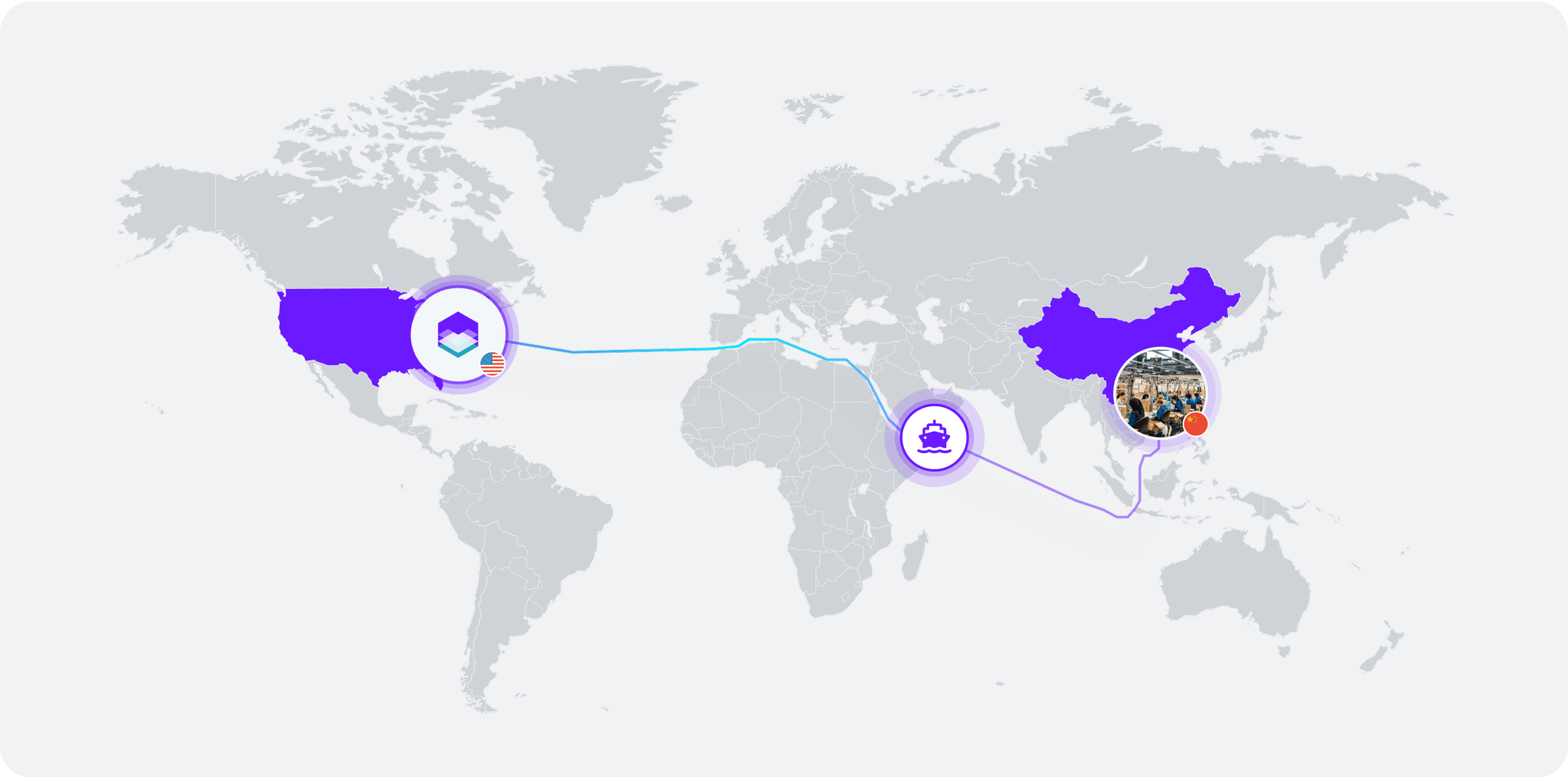
You might be working with a freight forwarder based in Europe or the US but they have to liaise with your manufacturer in China. This means you might have to wait over 24 hours, sometimes days, for a response, leading to slower communication channels between all parties, asynchronous message patterns and difficulties setting up meetings. Working with a forwarder that has a base close to your manufacturer ensures quick and streamlined communication.